
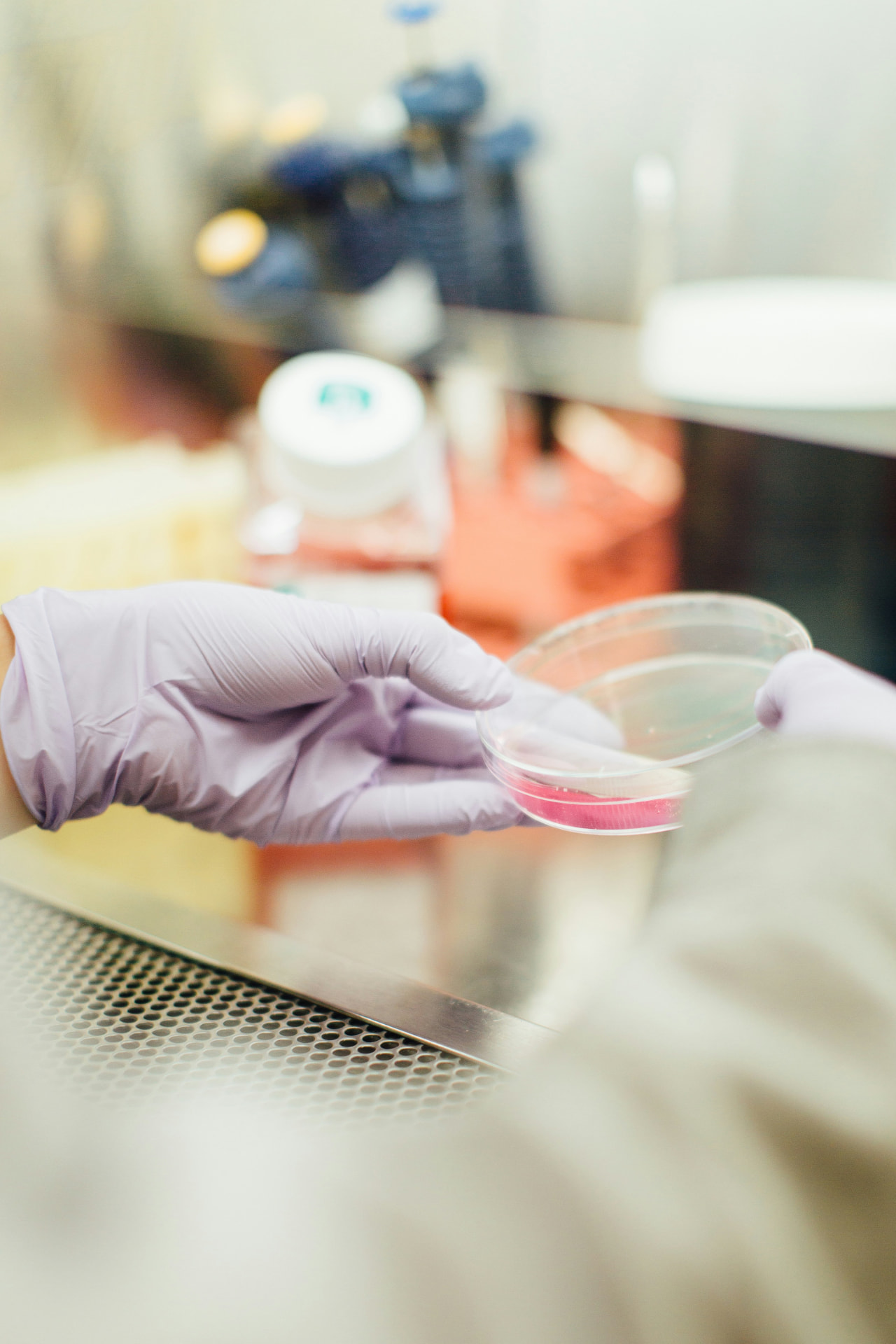
In-house research team
Our scientists run their own peptide programs across formulation, pharmacology and delivery, rather than licensing another company's work and reselling it.
The research side of the business
In-house science.
Patentable IP.
Our scientists run their own peptide programs across formulation, pharmacology and delivery, rather than licensing another company's work and reselling it.
We work with a computational research partner whose platform maps a peptide's biological signature against thousands of human and rare-disease signatures to identify where it may be most useful.

Evidence-weighted shortlists come back in minutes rather than quarters, which shortens the work between an early signal and a defensible patent filing.
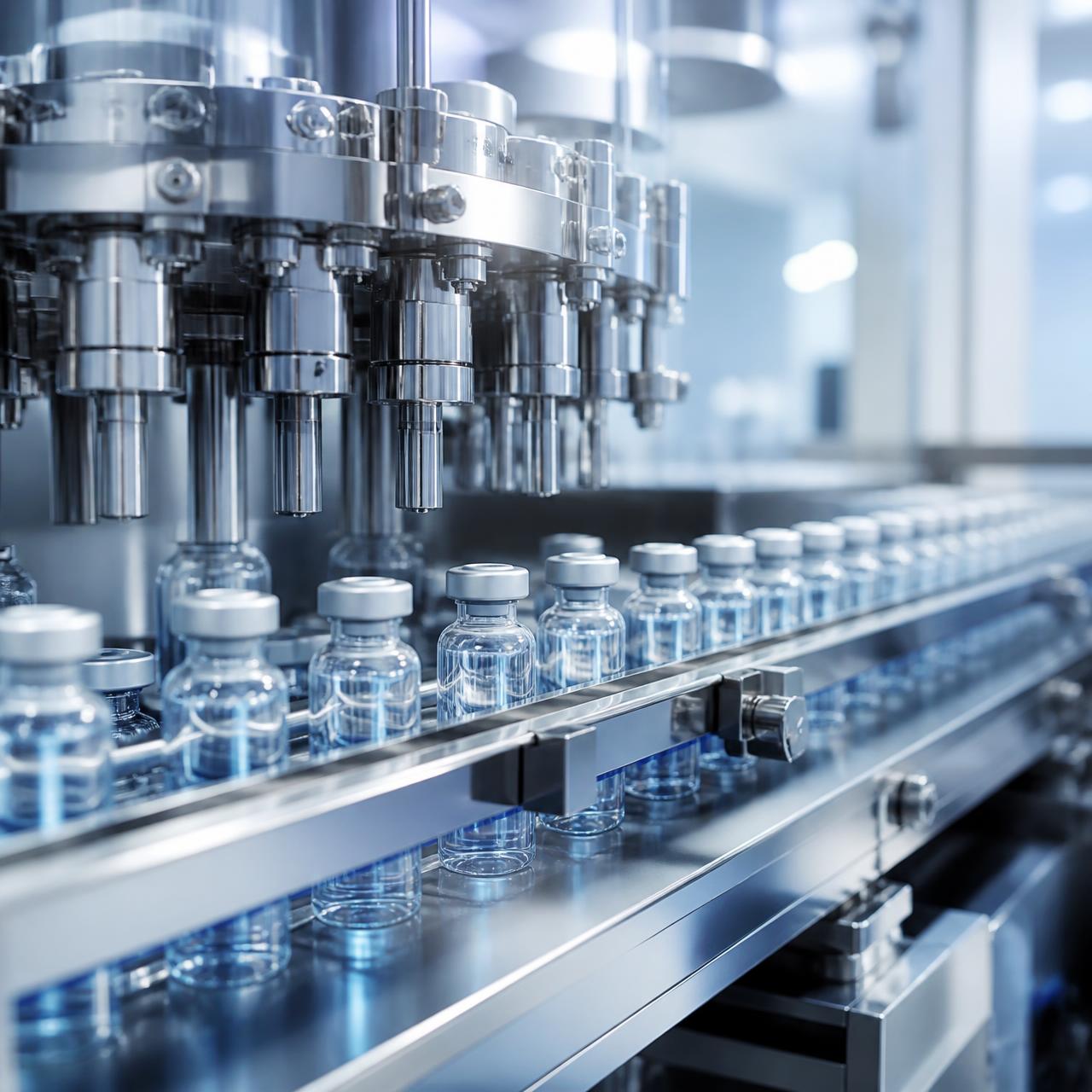
Each read-out points in two directions: new indications worth pursuing, and better formulations for the treatments patients can access today.
Peptides that have been in use for years can still carry unclaimed science. Where our research identifies it, four categories of protection apply, each eligible for a fresh 20-year patent term.
Our model is to develop the intellectual property in-house, prove it out, then partner or license with larger pharmaceutical companies who can take it through later-stage development.
Where a known peptide may treat a condition nobody has claimed it for.
Pairings that outperform either molecule on its own.
Cocrystals and solid forms that address bioavailability and consistency gaps.
Novel formulations, the strongest form of pharmaceutical protection.
Three active programs. One peptide has already produced findings we believe are eligible for protection.
A slow-release formulation designed to hold therapeutic levels for a week per injection.
Improving how much of a dose reaches target tissue, so lower doses can do more.
A delivery format free of microplastics and heavy metals, and easier for patients to use.
Most compounded peptides clear the body within hours, so patients self-inject around five times a week. Adherence tends to drop off as the schedule becomes harder to keep.
Program 01 targets a slow-release formulation that holds therapeutic concentration for a full week from a single injection. The molecule is unchanged. The result is fewer injections, steadier exposure, and a novel composition eligible for its own patent filing.
Illustrative. Serum level spikes and troughs between doses.
Illustrative. Concentration holds inside the therapeutic band.
Charts are illustrative models of dosing frequency and exposure, not clinical trial data.
An aged mouse myoblast signature mapped against more than 3,300 human disease and rare-disease signatures.
Ranked #2 of 232 significant hits, and replicated across two independent patient cohorts. Secondary themes: fibrotic disease, cardiomyopathy and mitochondrial neurodegeneration.
Slowed gastric emptying is part of how GLP-1s work. As GLP-1 use grows toward 100 million people, so does the number of patients affected, and there is no peptide-based treatment available at that scale.
Connectivity score. A higher bar indicates a stronger reversal of the disease signature.
Our research programs are pre-clinical. Nothing on this page is a claim that any pep'd treatment diagnoses, treats, cures or prevents any disease.
0+
human disease signatures
<0 min
per peptide shortlist
We welcome conversations with researchers, clinicians and potential development partners.